How Fotona Laser Treatments Can Refresh Your Appearance
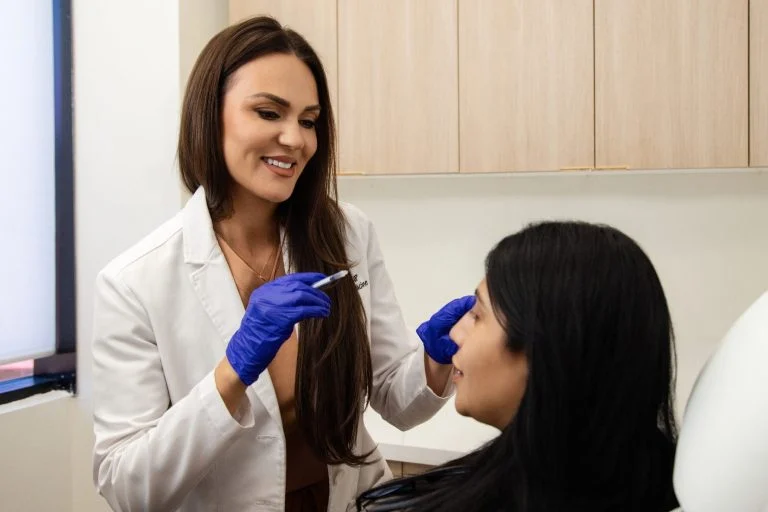
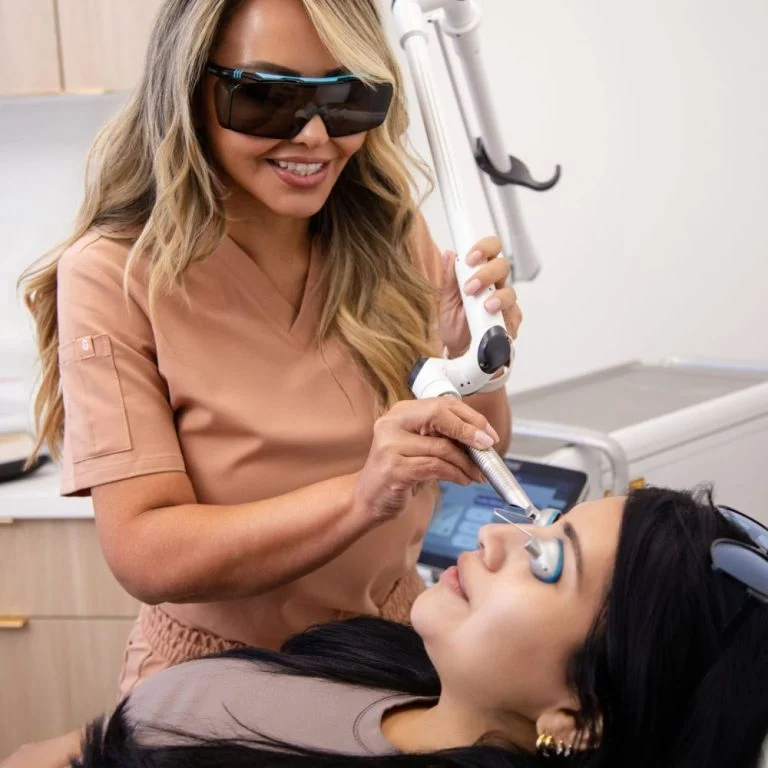
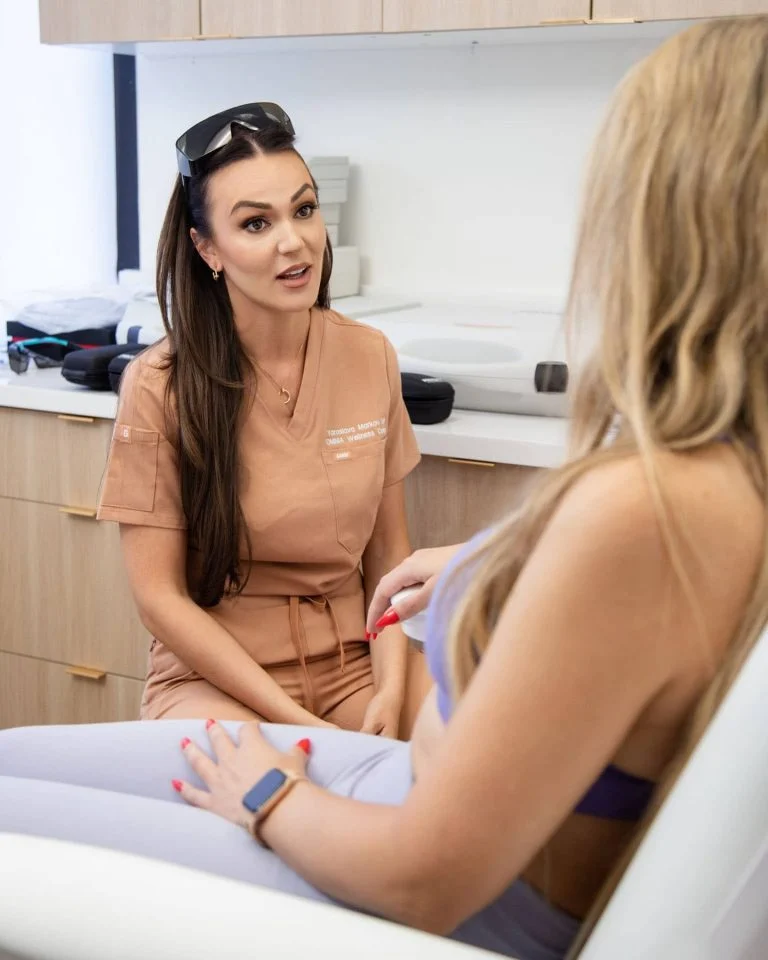
A refreshed appearance rarely comes from one dramatic change. More often, it is the result of subtle improvements that make the skin look clearer, firmer, smoother, and better rested. That is why laser treatments have become such a mainstay in aesthetic medicine. They can address texture, laxity, pigment irregularities, acne scars, and the early signs of aging without asking patients to commit to surgery or a long recovery.
Among the systems frequently discussed in clinical aesthetics, Fotona Laser Treatments stand out because they are versatile. Rather than being a single treatment for a single problem, Fotona refers to a platform that can be adapted for several cosmetic concerns using different wavelengths and treatment settings. In practice, that means a clinician can tailor the approach to what the face or body actually needs, instead of forcing every patient into the same plan.
For patients, the appeal is straightforward. You may want fresher skin but have no interest in looking overdone. You may want your jawline to feel a bit tighter, your fine lines a bit softer, or your complexion more even, but still want to go to work the next day. Fotona treatments often fit into that middle ground, where visible improvement matters, yet natural expression and practical downtime matter just as much.
Why people look tired before they look old
One of the most common comments heard in aesthetic consultations is not “I look old,” but “I look tired.” That distinction matters. Fatigue in the face tends to show up as dullness, crepey texture, fine lines around the eyes and mouth, enlarged pores, or skin that no longer reflects light evenly. Even mild laxity can make the lower face look heavier, while rough texture around the cheeks can make makeup sit poorly and exaggerate age.
Refreshing appearance, then, is not always about chasing wrinkles. It is often about restoring clarity and tone. When skin is smoother and slightly tighter, the whole face reads differently. Light bounces better off the surface. Features appear more defined. The person still looks like themselves, just less worn down.
That is where laser technology earns its place. It works by delivering controlled energy into targeted tissue, stimulating collagen remodeling and resurfacing the skin in a measured way. With Fotona systems, the practitioner can often adjust depth, intensity, and treatment style according to the concern being treated. That flexibility is one reason these treatments are used for both lighter maintenance sessions and more corrective work.
What Fotona Laser Treatments are designed to do
At a practical level, Fotona Laser Treatments are used to improve skin quality. Depending on the handpiece and protocol, a provider may use them to address fine lines, uneven texture, superficial pigmentation, enlarged pores, acne scars, skin laxity, or redness associated with certain vascular concerns. Some protocols focus on resurfacing the outer layers of skin. Others are designed to heat deeper tissue to stimulate collagen and tightening.
The best way to think about these treatments is not as a magic wand, but as controlled skin remodeling. If someone has sun damage from years of outdoor activity, laser energy can help improve that weathered texture. If another patient is noticing the early sagging that comes with collagen loss, heating deeper layers may encourage firmer support over time. If a third person has post acne irregularities, the laser can be part of a strategy to soften those depressions and improve surface smoothness.
That broader perspective matters because many patients arrive expecting one session to solve every visible issue. Real life is more nuanced. A good result often comes from matching the right protocol to the right problem, then repeating treatment over a realistic timeline.
The difference between looking “done” and looking refreshed
Patients are often more comfortable with laser treatments than injectables or surgery because the endpoint tends to be skin quality rather than alteration of facial shape. That does not mean lasers replace every other treatment, because they do not. If someone has significant volume loss in the midface, a laser will not restore volume the way filler might. If a patient has advanced jowling or heavy neck laxity, surgery may still produce the most dramatic change.
But when the goal is refreshment rather than reinvention, lasers can be remarkably effective. A subtle tightening around the mouth, a reduction in crepiness under the eyes, and a smoother cheek surface may not sound dramatic on paper. In the mirror, though, those changes often add up to a face that looks more awake and polished.
Clinicians who do this work every day see the psychological shift as well. Patients do not usually come back saying, “Everyone noticed my collagen remodeling.” They say that coworkers asked whether they changed their skincare routine, or that they suddenly feel more comfortable leaving the house without foundation. Those are meaningful outcomes. Cosmetic medicine works best when people look better without looking unfamiliar.
Common treatment goals and how results tend to unfold
The biggest misconception about laser treatments is that improvement always appears immediately. Some changes do, particularly when a resurfacing session removes rough surface texture and leaves the skin brighter once healing settles. Tightening treatments, however, often reveal themselves more gradually. Collagen remodeling takes time. A patient may notice early firmness or a healthy glow first, then more appreciable refinement over the following weeks or months.
This delayed benefit can be frustrating for people who want instant gratification, but it is also part of why the result can look natural. The skin is not transformed overnight in a way that appears abrupt. It improves progressively, as the tissue responds and rebuilds.
A provider may use Fotona treatments to target concerns such as:
- fine lines around the eyes, lips, and cheeks
- mild to moderate skin laxity in the lower face or neck
- acne scars and irregular texture
- enlarged pores and general dullness
- sun related changes and uneven tone
Those categories overlap more than patients expect. Someone seeking help for pores often also has a loss of luminosity. A patient bothered by fine lines may actually be reacting as much to texture and laxity as to the lines themselves. Good consultation is partly diagnostic. It identifies what is truly aging the face visually, then chooses the treatment path that addresses it.
Why treatment customization matters
Laser platforms are only as effective as the judgment behind them. Two people of the same age can need completely different approaches. A 42 year old with excellent elasticity but visible sun damage may benefit most from resurfacing. Another 42 year old with smoother skin but early lower face laxity may respond better to a tightening oriented protocol. Skin tone, sensitivity, medical history, lifestyle, and even season of the year can influence planning.
This is especially important when treating patients with a history of pigmentation issues, rosacea, melasma tendencies, or reactive skin. More treatment is not always better. Aggressive settings can increase downtime and, in the wrong candidate, create avoidable complications. Skilled practitioners know when to push for correction and when to choose a more conservative series with gradual gains.
There is also the question of combination care. In actual practice, aesthetic improvement is rarely about a single modality. A patient may do a series of laser sessions, support results with medical grade skincare, and later add a small amount of neuromodulator or biostimulatory treatment if needed. The laser becomes part of a broader strategy for healthier looking skin, not a standalone miracle.
What a treatment day often feels like
Experience varies depending on the specific protocol, but many Fotona sessions are well tolerated. Some feel warm and prickly, while others involve more noticeable heat or a stinging sensation. Topical numbing may be used for certain resurfacing treatments, especially when the goal is more intensive correction. For lighter sessions, numbing may not be necessary at all.
The immediate after effects can range from mild pinkness to a deeper flushed appearance, with a sensation similar to a sun warmed face. More aggressive resurfacing may lead to swelling, roughness, bronzing, or several days of visible healing. Lighter tightening sessions can leave only temporary redness and a taut feeling.
Patients often ask whether they can go straight back to normal life. The honest answer is, sometimes yes, sometimes not. The label on a treatment, “no downtime” or “weekend recovery,” does not tell the full story. A person who flushes easily or has an important event the next morning may experience downtime very differently from someone working from home and comfortable being seen makeup free. Expectations should be set according to your schedule, not just the brochure.
The trade off between gentle treatment and stronger correction
There is no escaping this point. More visible correction often requires more healing. Light treatments can be excellent for maintenance and incremental improvement, but they may not dramatically change deeper acne scars, etched lines, or pronounced texture issues. Patients who understand that trade off tend to be happiest because they choose intensity knowingly.
In practice, clinicians often have to help patients decide where they sit on that spectrum. Some want the strongest possible result and are prepared for a week of social downtime. Others prefer several gentler sessions that fit into a busier life. Neither choice is wrong. The right choice depends on priorities.
A useful way to frame it is to ask what bothers you most. If your main issue is a tired quality to the skin, mild laxity, and loss of glow, a moderate plan may be ideal. If your real frustration is long standing acne scarring or more advanced photoaging, you may need to accept a more intensive course to get meaningful change.
Areas beyond the full face
Although facial rejuvenation gets the most attention, experienced providers often treat the neck, chest, and around the eyes because those areas can age just as visibly as the face. The chest in particular can reveal sun damage and crepey texture long before patients think to address it. Treating the face alone sometimes creates a mismatch, where the face looks brighter and more polished but the neck and décolletage still show marked aging.
Around the eyes, conservative laser work can be especially rewarding. This is where people often first notice fatigue in the mirror. Fine lines, laxity, and a papery skin texture can all contribute to that worn look. Careful treatment in this region requires experience and judgment, but when done well, even modest improvement can make the entire face look more rested.
Some practices also use Fotona protocols in non facial applications, depending on their expertise and the indications they treat. The broader point is that refreshment is not limited to one zone. A natural result often comes from treating the areas that age together.
Who tends to be a good candidate
Ideal candidates are not defined by age alone. They are people with realistic expectations, stable health, and a specific concern that aligns with what laser treatment can genuinely improve. Patients in their thirties may seek preventive collagen support or help with acne scarring. Patients in their forties and fifties often focus on texture, pores, and early laxity. Older patients can benefit too, especially when the aim is skin quality rather than a surgical level lift.
Not every person is a candidate on every day. Recent sun exposure, active skin infections, certain medications, a tendency toward poor wound healing, or untreated inflammatory skin conditions may require postponement or a different approach. Consultation should cover all of that in detail. A laser session is a medical treatment, not just a beauty appointment.
Before booking, it helps to clarify a few practical points:
- what concern is being targeted first
- how many sessions are likely needed for visible change
- what the expected recovery will look like for your skin
- whether sun avoidance is realistic for you afterward
- how results may be maintained over time
That conversation can save a lot of disappointment. Many patients are less upset by the need for multiple treatments than by learning too late that multiple treatments were always going to be necessary.
The role of aftercare in protecting the result
Laser results are shaped as much by aftercare as by the session itself. Skin that has been treated needs protection while it heals and remodels. That usually means gentle cleansing, a bland moisturizer or healing product if recommended, disciplined sun protection, and avoiding unnecessary irritation from active skincare ingredients for a period of time.
The details vary by treatment depth. After a mild session, patients may resume much of their routine fairly quickly. After a stronger resurfacing treatment, the skin may need several days of careful handling. Picking, scrubbing, or trying to speed peeling can interfere with recovery and increase the risk of unwanted pigmentation or prolonged redness.
Sun exposure is the issue clinicians emphasize most, and for good reason. Treated skin is more vulnerable, and ultraviolet exposure can undermine progress or create complications. Patients who spend a great deal of time outdoors, whether for work or recreation, need to plan treatment timing intelligently.
Results are real, but they are not permanent
One of the healthiest ways to approach aesthetic treatment is to see it as maintenance of living tissue, not a one time permanent repair. Collagen degrades with age. Sun exposure accumulates. Facial movement never stops. Even after an excellent response to laser treatment, the skin continues to age.
That should not discourage anyone. It is simply the reason maintenance matters. A series of initial sessions may create the biggest visible shift, then periodic follow up helps preserve gains. The interval depends on the treatment used, the patient’s skin quality, age, sun habits, and goals. Someone diligent about skincare and sun protection may hold results nicely. Another person with heavy sun exposure and a lot of baseline damage may need more frequent upkeep.
This is also why realistic photography and honest timelines are so important. The best before and after comparisons are taken under consistent lighting and angle, often several months after treatment rather than immediately after swelling subsides. That is when the real quality changes become clearer.
What patients often notice first
Clinicians may talk about collagen synthesis and dermal remodeling, but patients usually describe results more simply. They notice that their skin feels smoother when they wash it. Makeup sits better. Their cheeks look less rough in side lighting. The lower face appears a little firmer in photos. The area around the mouth looks less collapsed. Friends say they look well rested.
These smaller observations are worth respecting because they reflect the real value of treatment. Most people are not seeking a new face. They are trying to recover the version of themselves that looked more energetic and healthy before stress, sun, acne, or age changed the surface of the skin.
That is why Fotona Laser Treatments can be such a useful option. They do not force a single aesthetic. They can be adjusted for prevention, correction, maintenance, or selective improvement in areas that age visibly first. When chosen thoughtfully and performed by an experienced provider, they often create exactly the kind of change patients hope for, noticeable enough to matter, https://connerldpi652.wordcanopy.com/posts/can-fotona-laser-treatments-help-reduce-stretch-marks subtle enough to feel like their own skin on a better day.
Choosing a provider matters as much as choosing the device
It is easy to get absorbed in brand names, but the device is only part of the equation. Laser outcomes depend heavily on assessment, settings, sequencing, and restraint. A skilled provider understands how much correction is appropriate, when to stage treatments, and when another modality would serve the patient better.
That last point deserves emphasis. Ethical aesthetic practice includes saying no. If your main issue is volume loss, severe laxity, or pigmentation that may worsen with the wrong approach, a good clinician should explain that openly. The most trustworthy consultations are often the least sales driven. They involve listening, examining the skin closely, and outlining not just what can improve, but what probably will not.
For patients considering treatment, the best consultations usually leave them feeling informed rather than dazzled. You should understand the likely benefits, the realistic limitations, the probable number of sessions, the expected downtime, and the financial commitment. Clarity is part of good medicine.
A refreshed appearance is rarely the result of hype. It comes from precise treatment, proper timing, and good judgment. In that setting, Fotona Laser Treatments can be a strong option for patients who want healthier looking skin, softer signs of aging, and a result that looks believable in daylight, at work, and in the mirror first thing in the morning.
OMNIA Wellness Center
Address: 16430 Ventura Blvd Ste 207, Encino, CA 91436
Phone number: +18183868511
FAQ About Fotona Laser Treatments
What is a Fotona laser good for?
A Fotona Laser system is a versatile, dual-wavelength medical laser used primarily for non-surgical skin tightening, anti-aging rejuvenation, and dermatological treatments.
How much does the Fotona laser cost?
The cost of a Fotona laser depends heavily on whether you are looking to purchase a laser machine for a medical practice or are a patient seeking a laser treatment at a medspa.
Is a Fotona laser worth it?
A Fotona laser treatment is generally worth it if you want non-surgical skin tightening, improved texture, and collagen stimulation with very little downtime.