Fotona Laser Treatments for Subtle Yet Noticeable Results
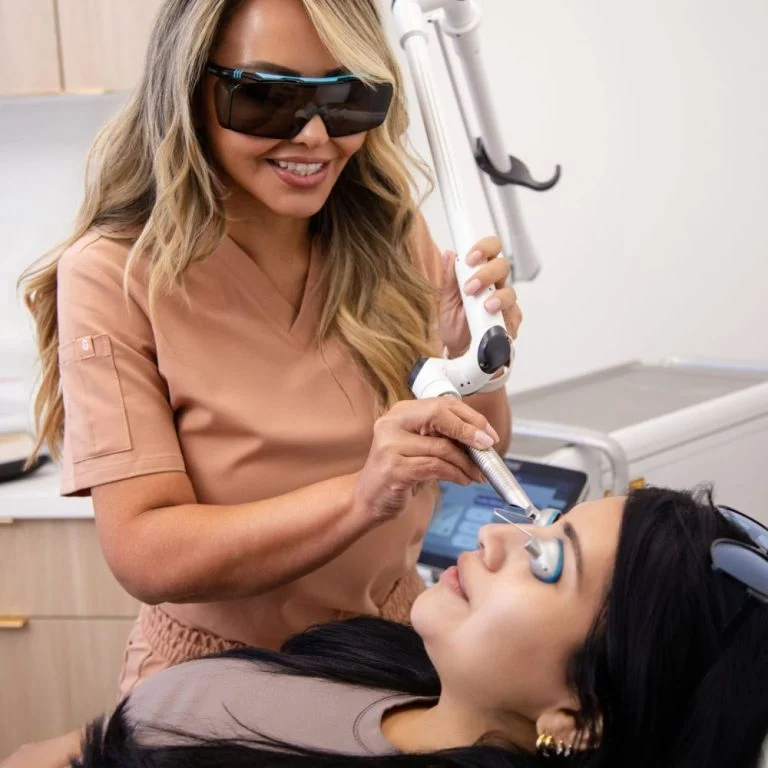
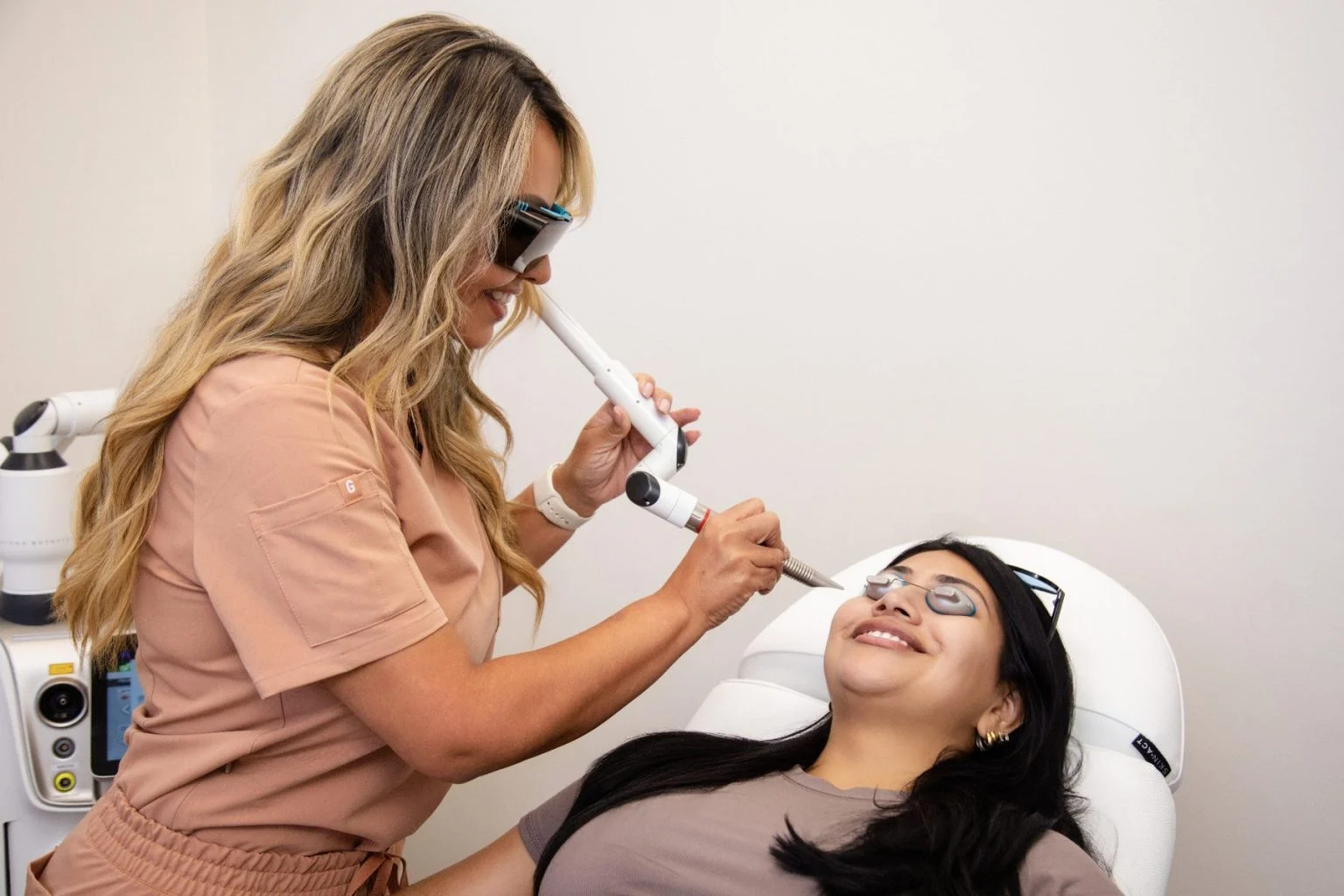
Most people who ask about laser treatments are not trying to look dramatically different. They are trying to look less tired, less ruddy, less lined, or simply a bit more polished without announcing that they have had work done. That is where Fotona Laser Treatments tend to earn their reputation. The appeal is not only what they can treat, but how they can do it in increments that look believable.
That distinction matters more than many clinics admit. Patients rarely walk in asking for “maximum correction.” They ask for softer under eye creases, smoother texture around the mouth, less diffuse redness, or better firmness along the jawline. They want coworkers to say, “You look well,” not “What did you have done?” Treatments that support that goal are often the ones people stay with over time.
Fotona has become a familiar name in aesthetic medicine because the platform is versatile. It is not one single laser with one single use. The system includes wavelengths and treatment modes that can be adapted for resurfacing, collagen stimulation, vascular concerns, acne support, pigmentation in selected cases, scar refinement, and tissue tightening. The real value, however, is not the brand name by itself. It is the quality of assessment, the settings chosen, and the discipline to match the treatment to the person in front of you.
What subtle but noticeable actually means
Subtle results are often misunderstood as weak results. In practice, subtle can mean strategically improving the features that make a face look older or more fatigued, while preserving expression, movement, and skin character. Noticeable does not have to mean dramatic. It can mean your foundation sits better. It can mean the crease beside your mouth no longer catches light the same way. It can mean your skin tone looks more even in daylight, not only under bathroom lighting.
This is especially relevant with laser work because skin responds gradually. Collagen remodeling takes time. Surface irregularities improve in stages. Vascular flushing can lessen session by session. Fine lines may soften before deeper etched lines change much at all. When the treatment plan is sensible, the result builds rather than shocks.
In good hands, Fotona Laser Treatments often suit people who want one of two things. Either they want visible improvement with modest downtime, or they want stronger treatment delivered in a controlled, layered way rather than all at once. That flexibility is a major reason experienced practitioners keep the platform in regular use.
Why Fotona stands out in daily practice
A lot of aesthetic devices promise versatility. Some deliver, some do not. Fotona’s practical advantage is that it allows clinicians to treat different skin concerns and tissue depths with more than one approach. The commonly discussed wavelengths, Er:YAG and Nd:YAG, behave differently in tissue. One is often used for more superficial resurfacing and controlled ablation, while the other is valued for deeper thermal effects, vascular work, and tightening applications. That combination opens up treatment plans that can be gentle, layered, or more corrective, depending on the indication.
From a patient perspective, this matters because not every concern lives at the same depth. A rough, dull surface is different from diffuse redness. Early laxity is different from acne scarring. The person with perioral lines from years of smoking or sipping through straws needs a different strategy from the person whose main complaint is an uneven, crepey cheek texture. A single technology rarely solves all of that perfectly, but a flexible platform can come closer.
The most successful cases I have seen usually come from restraint rather than aggressive energy settings. It is tempting to chase a one session miracle. In reality, many patients do better with treatments spaced over weeks or months, where the skin has time to recover and remodel. This produces a fresher look that is easier to live with and easier to maintain.
The treatments people ask for most often
When patients refer to Fotona Laser Treatments, they may be talking about several different protocols. The names vary by clinic, but the goals are fairly consistent. Some sessions target redness and visible vessels. Others focus on skin texture, enlarged pores, fine lines, acne, scars, or laxity. There are also popular options for the eye area and non surgical tightening in and around the mouth.
One of the reasons expectations need careful handling is that a treatment name can sound broader than the actual result. For example, a tightening treatment can improve mild laxity, but it will not reproduce the effect of a surgical lift. A resurfacing session can brighten and smooth the skin significantly, but deeper folds caused by volume loss may still need a different approach. Good aesthetic medicine is often about combination planning and timing, not declaring one device the answer to everything.
Skin texture and pore refinement
Texture improvement is one of the most satisfying uses of laser because even modest gains are obvious in mirror light. Skin looks more uniform. Makeup catches less. The cheek area can appear cleaner and fresher. Patients in their late twenties to forties often notice these changes quickly because they may not have significant laxity yet, but they do have enlarged pores, early roughness, lingering post acne irregularity, or a generally dull finish.
This is also where subtlety shines. A person may not be able to point to one dramatic before and after difference, yet their face reads as healthier. That is often the ideal outcome.
Fine lines around the eyes and mouth
The eye area is where many people first become interested in laser treatment. They do not necessarily want injectables, or they may already use them and still dislike the crepey skin quality that volume correction does not address. Properly selected Fotona protocols can help stimulate remodeling in delicate zones, though the improvement tends to be best for mild to moderate textural changes rather than advanced skin excess.
Around the mouth, treatment can soften smoker’s lines and improve the etched look that lipstick tends to settle into. These cases are rewarding, but they also reveal the importance of patience. The mouth moves constantly. The area is richly expressive and slow to stay perfect. Most patients need a realistic understanding that softening is far more likely than erasing.
Redness, visible vessels, and a flushed look
Diffuse redness is emotionally underrated as a skin concern. It can make a person feel as if they always look overheated, irritated, or embarrassed. Laser options that target superficial vessels can reduce this persistent flushed background in selected patients. Once that redness eases, the face often looks calmer and more even, even before any texture changes are obvious.
That said, flushing disorders and rosacea exist on a spectrum. Some people respond beautifully. Others improve but still flare with heat, alcohol, exercise, or stress. This is one of the areas where doctors and patients need a practical conversation, because “clear skin” is not always a realistic endpoint.
Acne scars and uneven surface change
Scars are one of the hardest things to treat well because they are structurally complex. Rolling scars, boxcar scars, ice pick scars, and mixed scar patterns do not respond equally. Laser can absolutely help, sometimes significantly, but severe scars usually need layered treatment that may also include subcision, microneedling, injectables, punch techniques, or chemical reconstruction depending on the scar type.
Patients with acne scar history often benefit from hearing this plainly. Improvement can be meaningful at 30 to 60 percent, and sometimes higher in carefully selected cases, but perfection is uncommon. Honest counseling here prevents disappointment and builds trust.
The look after treatment, and why downtime varies so much
People often ask a simple question that has a complicated answer: “How long will I be out of action?” The answer depends on the treatment intensity, the area, the skin itself, and how conservative or ambitious the plan is.
Some Fotona Laser Treatments create mild redness that settles quickly, sometimes within a day or two. Others produce swelling, a bronzed or sandpapery texture, pinpoint crusting, or more obvious peeling over several days. More intensive resurfacing can require a week of visible recovery, sometimes longer for lingering pinkness in fair or reactive skin. The person who can work from home and stay out of the sun has more options than the person who has public facing commitments every day.
One common mistake is choosing a treatment purely by downtime tolerance rather than by diagnosis. If someone has etched lines and moderate acne scarring, the no downtime version may disappoint. If someone only needs brightness, early tightening, or mild texture support, an aggressive resurfacing approach may be unnecessary. Matching intensity to the actual problem is what prevents the cycle of over treatment and underwhelming results.
A realistic treatment course
The best plans often look boring on paper. They are scheduled, progressive, and conservative enough to let the skin recover properly. Patients sometimes expect one appointment to solve years of sun exposure, collagen loss, inflammation, or scarring. Skin does not work that way.
A sensible plan often includes these elements:
- A thorough assessment of pigmentation, redness, scarring, laxity, recent tan exposure, and medical history.
- A treatment series or staged plan rather than a single miracle session.
- Photography in consistent lighting so gradual changes can actually be seen.
- Strict aftercare, especially sun protection and temporary skincare adjustments.
- Reassessment after healing, because the next step depends on how the skin responded.
This kind of structure is not glamorous, but it is what tends to produce natural outcomes. It also helps avoid treating too aggressively in the first session, which is a common source of prolonged redness and regret.
Who tends to do well
The strongest candidates are not always the youngest or the oldest. They are the people whose concerns match what laser does best and who are willing to let the result unfold. Someone with early texture changes, mild to moderate laxity, persistent redness, or superficial signs of photodamage often sees a very satisfying payoff. The improvement is visible, but still feels like their face.
People who struggle most are often those with mismatched expectations. If someone wants a facelift effect from a tightening session, disappointment is likely. If someone with melasma assumes any laser will brighten them https://andresishe600.opalvector.com/posts/can-fotona-laser-treatments-help-you-age-gracefully safely, caution is essential. If someone cannot avoid sun or follow aftercare, the risk rises and the quality of the outcome drops.
Skin tone also matters. Not every laser setting is appropriate for every Fitzpatrick skin type, and not every condition should be treated aggressively in darker or more reactive skin. An experienced practitioner will weigh pigment risk carefully, especially in patients with a history of post inflammatory hyperpigmentation.
Trade offs worth discussing before booking
This is where thoughtful consultations matter. The public conversation around lasers often focuses on before and after images, but not enough on the balance between gain, cost, discomfort, downtime, and maintenance.
A few trade offs come up repeatedly in practice:
- Gentler settings usually mean less downtime, but often require more sessions.
- More aggressive resurfacing can produce stronger textural change, but carries more recovery and greater risk of prolonged redness or pigment issues.
- Tightening treatments can improve mild laxity, but they are not substitutes for surgery when skin excess is advanced.
- Combination treatment plans often work best, but they cost more and take longer.
- Maintenance is real, especially if sun exposure, rosacea triggers, or active acne continue.
These are not reasons to avoid treatment. They are reasons to choose it with clear eyes. The happiest patients are rarely the ones who heard the biggest promise. They are the ones who understood the trade and felt the result was worth it.
What a good provider will tell you
A careful clinician will ask detailed questions that can feel excessive if you have only had facials before. They will ask about cold sores, isotretinoin history, photosensitizing medications, autoimmune issues, recent tanning, melasma, keloids, wound healing, and whether you have a major event coming up. They are not stalling. They are trying to keep you safe and choose settings your skin can actually handle.
They should also be willing to tell you when not to do the treatment. If your skin barrier is inflamed, if you are freshly tanned, if your expectations are not aligned, or if another modality would serve you better, restraint is a sign of professionalism. In aesthetic medicine, saying “not yet” is often as important as saying “yes.”
The consultation should also cover the less glamorous details. Will you need antiviral prevention if you are prone to cold sores? Should you stop retinoids for several days? What cleanser can you use after treatment? When can you exercise again? When is makeup safe? How long should you avoid hot yoga, steam rooms, and active exfoliants? These practical details can make the difference between smooth healing and an avoidable setback.
Recovery is where results are protected
People tend to focus on the treatment day, but recovery is where the investment is either protected or compromised. Freshly treated skin is vulnerable. The barrier is temporarily impaired. Heat, friction, harsh actives, sweat, picking, and sun exposure can all interfere with healing.
This period is not the time to improvise with strong acids, retinol, fragranced products, or “just one day” of direct sun because the weather looks mild. I have seen excellent treatments undercut by poor aftercare more often than by the treatment itself. Even a week of careful management can materially improve the final result.
The basics are simple: cleanse gently, moisturize appropriately, use the post procedure regimen you were given, avoid unnecessary heat and rubbing, and protect from ultraviolet exposure with discipline. Patients who do this consistently usually heal faster and with fewer surprises.
Why the results can look more expensive than they are
There is an interesting effect with well judged laser work. Because it improves the canvas of the skin rather than adding obvious volume or changing facial proportions, it can make everything else look better. A light layer of makeup looks smoother. Concealer creases less. The skin reflects light more evenly. People often describe this as looking “rested” or “cleaner,” even when the actual structural change was moderate.
That is why Fotona Laser Treatments often appeal to people who want refinement rather than transformation. The gains may seem small in isolation, but they stack. Slightly better texture, slightly less redness, slightly firmer skin, and softer fine lines together can change how a face reads across a room.
There is also a psychological advantage to gradual improvement. It gives people time to adapt. They still recognize themselves. Friends and family adjust naturally. For many patients, especially professionals who do not want abrupt aesthetic changes discussed at work, that is a major benefit.
Limits that should be respected
No responsible discussion of laser treatment is complete without acknowledging what it cannot do well. It will not replace surgery for heavy jowls, significant neck laxity, or substantial eyelid excess. It will not erase deep dynamic lines if the underlying muscle movement is still strong. It will not reliably solve complex pigment conditions without risk. It will not rebuild volume where fat loss and bone change are the main drivers of aging.
There are also people for whom timing matters more than device choice. The patient who is getting married in three weeks may not be a candidate for anything with meaningful downtime. The patient with uncontrolled acne may need the acne stabilized before scar work begins. The patient with ongoing sun exposure from outdoor sport or work may need a seasonal plan rather than immediate treatment.
A mature approach to aesthetics respects these limits. Laser is a powerful tool, not an all purpose answer.
The understated appeal of doing just enough
The best aesthetic results are often hard to spot and easy to appreciate. They preserve character while reducing distraction. Fine lines no longer dominate. Redness stops competing with your features. Texture improves enough that skin looks healthier before anyone can explain why.
That is the sweet spot where Fotona Laser Treatments tend to perform well. When selected carefully, they offer a route to improvement that feels polished rather than overworked. The process usually requires patience, thoughtful provider choice, and realistic expectations. What you get in return is often exactly what people are asking for, even if they do not phrase it in clinical terms: a face that looks like itself on a better day.
For patients who value credibility in their results, that matters. The most convincing aesthetic work rarely shouts. It simply removes the things that were making you look less like yourself.
OMNIA Wellness Center
Address: 16430 Ventura Blvd Ste 207, Encino, CA 91436
Phone number: +18183868511
FAQ About Fotona Laser Treatments
What is a Fotona laser good for?
A Fotona Laser system is a versatile, dual-wavelength medical laser used primarily for non-surgical skin tightening, anti-aging rejuvenation, and dermatological treatments.
How much does the Fotona laser cost?
The cost of a Fotona laser depends heavily on whether you are looking to purchase a laser machine for a medical practice or are a patient seeking a laser treatment at a medspa.
Is a Fotona laser worth it?
A Fotona laser treatment is generally worth it if you want non-surgical skin tightening, improved texture, and collagen stimulation with very little downtime.